
Drone and Robot Cleaning Workflows for Solar O&M
Maximize Solar Output with Automated Cleaning
Why Panel Cleaning Is a Critical Investment, Not an Expense
Soiling is the #2 performance killer after sunlight scarcity. IEA PVPS reports that PV soiling is responsible for an average 4–7% global energy loss and multi-billion-euro annual revenue losses for the PV industry. Every layer of grime directly drains profits. Worse, improper cleaning damages delicate anti-reflective coatings – our contact-free technology reduces this risk.
Global cumulative PV capacity exceeded 2,260 GW by the end of 2024, with 553–601 GW newly installed in 2024, so cleaning is becoming a repeatable O&M workflow rather than occasional maintenance.
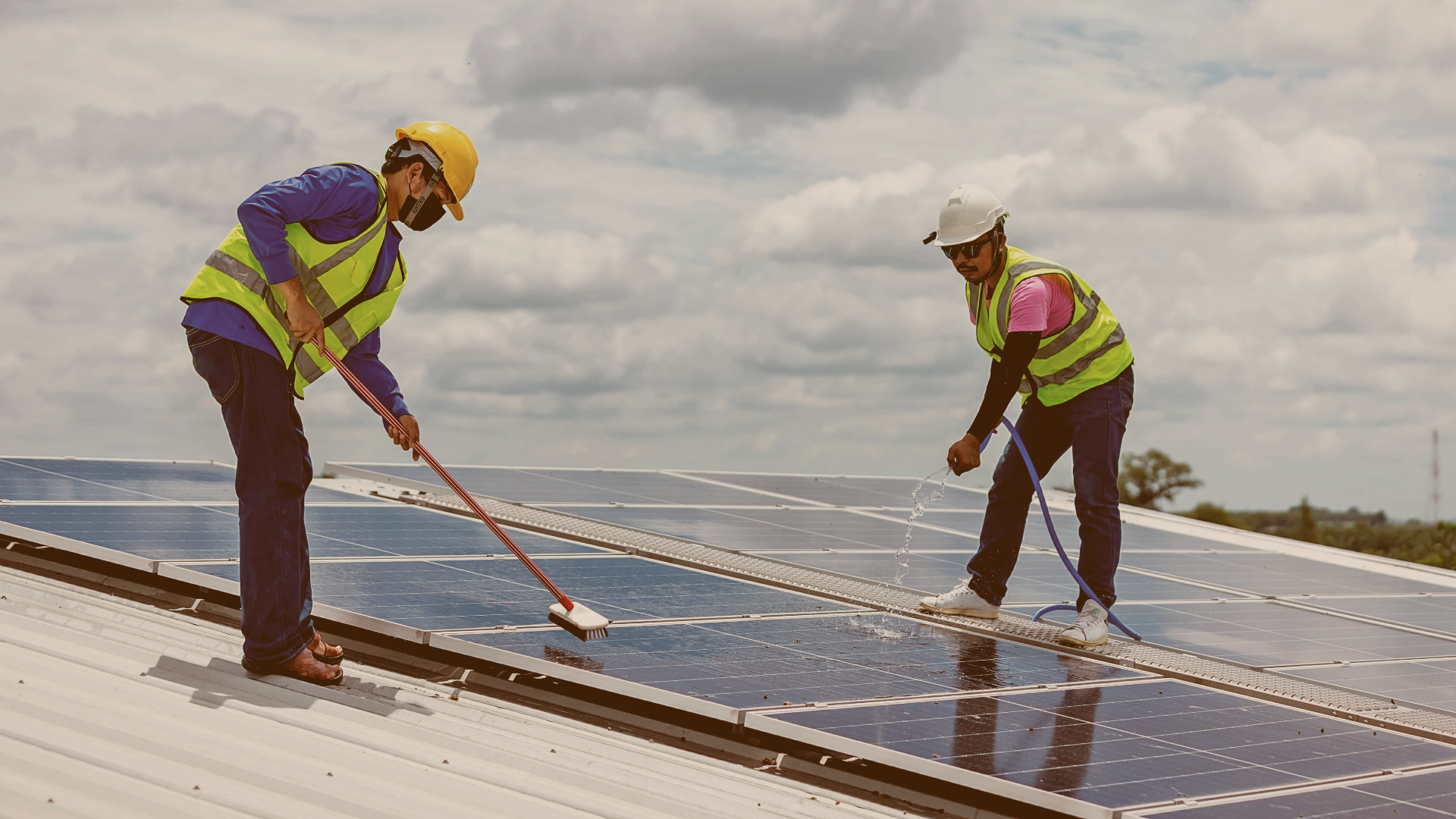
The Old Way: High Risk, Low Efficiency
Manual labor is not a scalable strategy. It's slow, inconsistent, and exposes your team to significant safety hazards, leading to high insurance and operational costs.
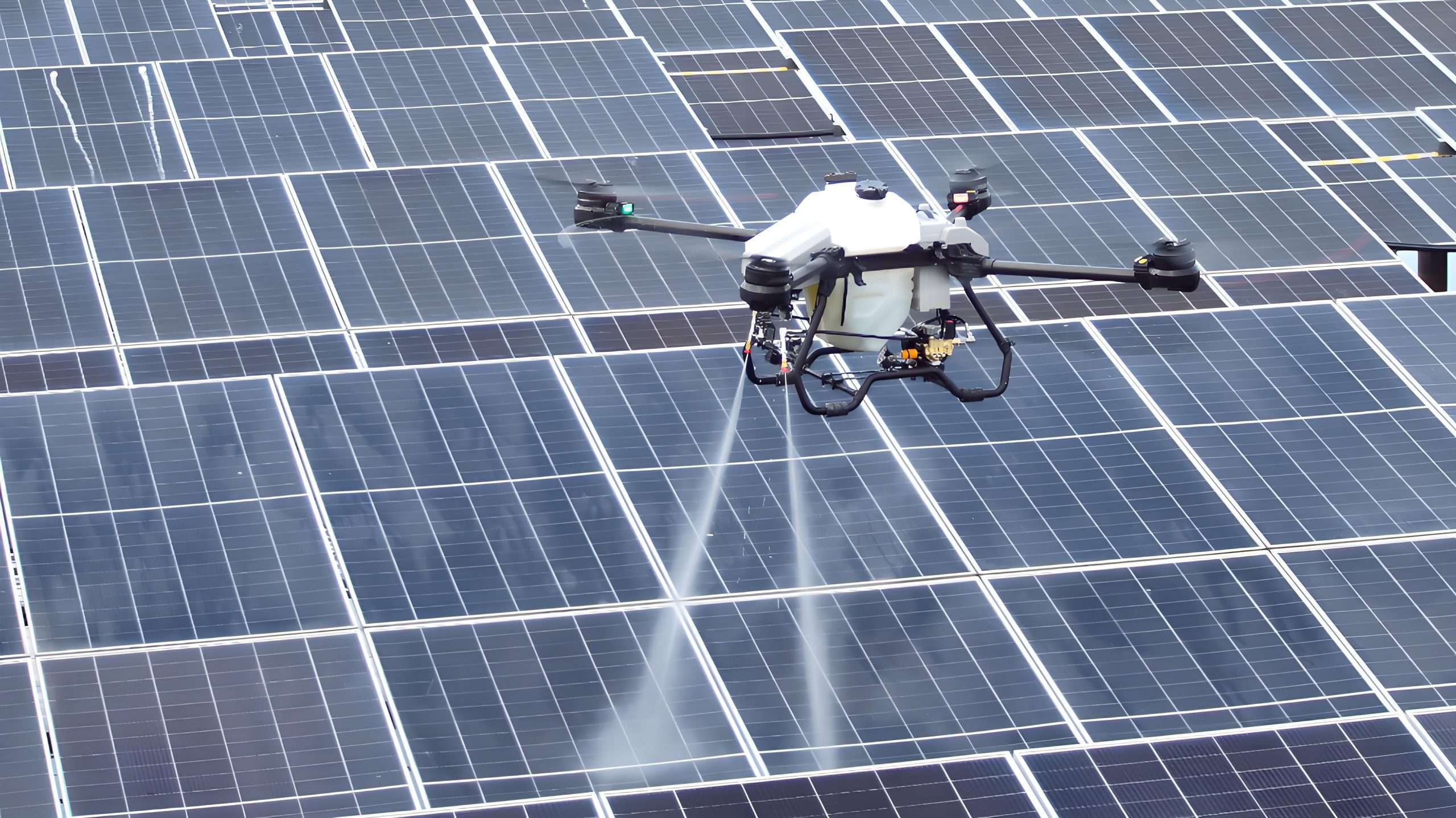
The Auto Way: Safe, Fast, Data-Driven
Our drone-first approach eliminates safety risks, covers vast areas with unmatched speed, and provides a consistent, high-quality clean every time.
One Solar Cleaning Strategy, Three Deployment Paths
No single cleaning method is best for every PV site. EAUAV structures solar cleaning around three deployment paths: a complete free-flight cleaning drone, a DJI Agriculture platform payload kit, and a robot-assisted cleaning option for suitable accessible arrays.
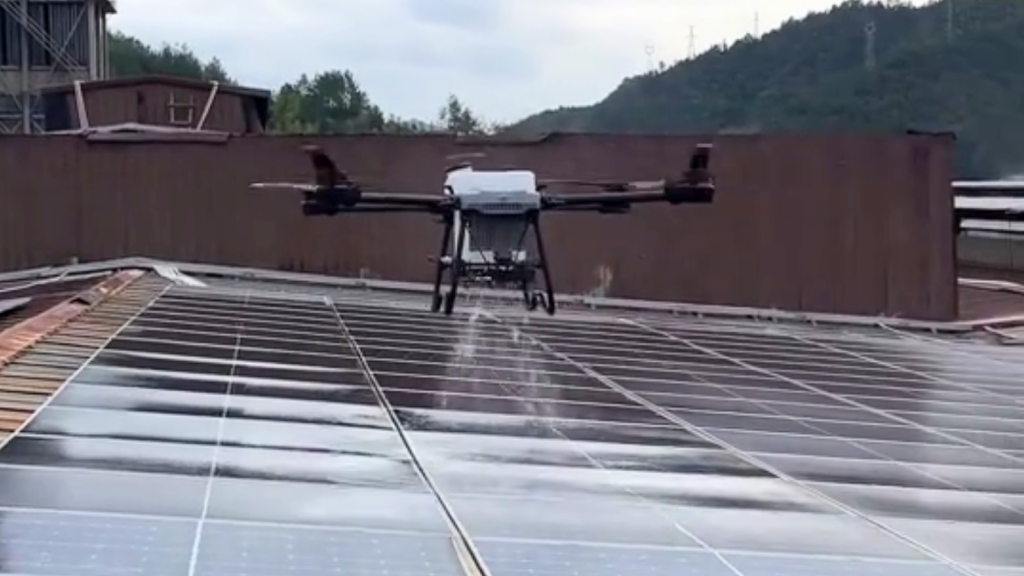
Choose Solaris C60V when you want a complete EAUAV solar cleaning drone system. The C60V uses a 60L onboard tank and a free-flight workflow for industrial rooftops, utility-scale PV plants, distributed solar assets, and hard-to-access sites where hose routing is inconvenient.
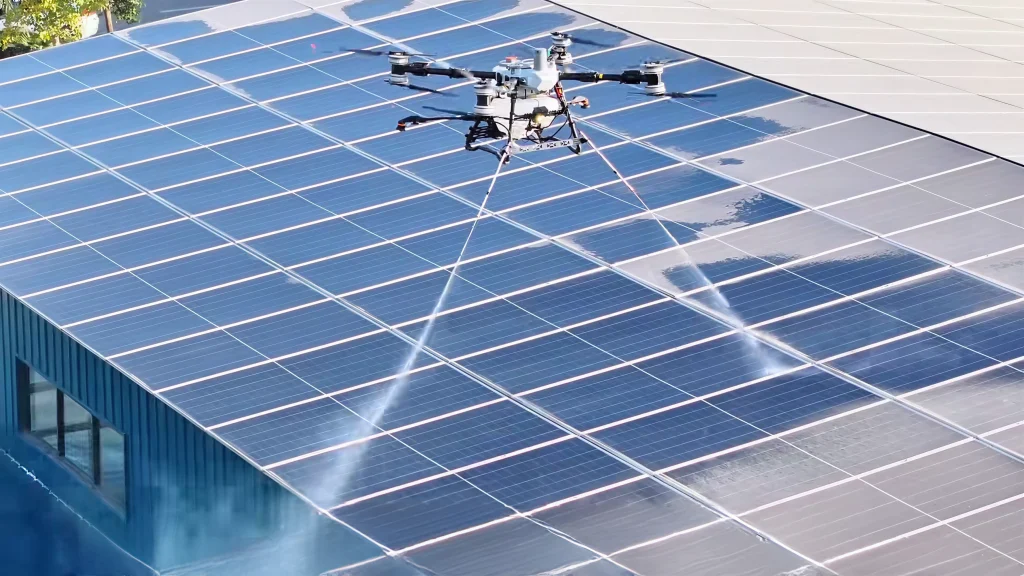
Choose the DJI T100 Solar Cleaning Kit when your team already owns, services, sells, or locally sources DJI Agras T100, T70, or T70P aircraft. The kit adds an EAUAV solar cleaning payload, PSDK-integrated workflow, nozzle configuration, installation guidance, and PV O&M support to a familiar DJI Agriculture platform.
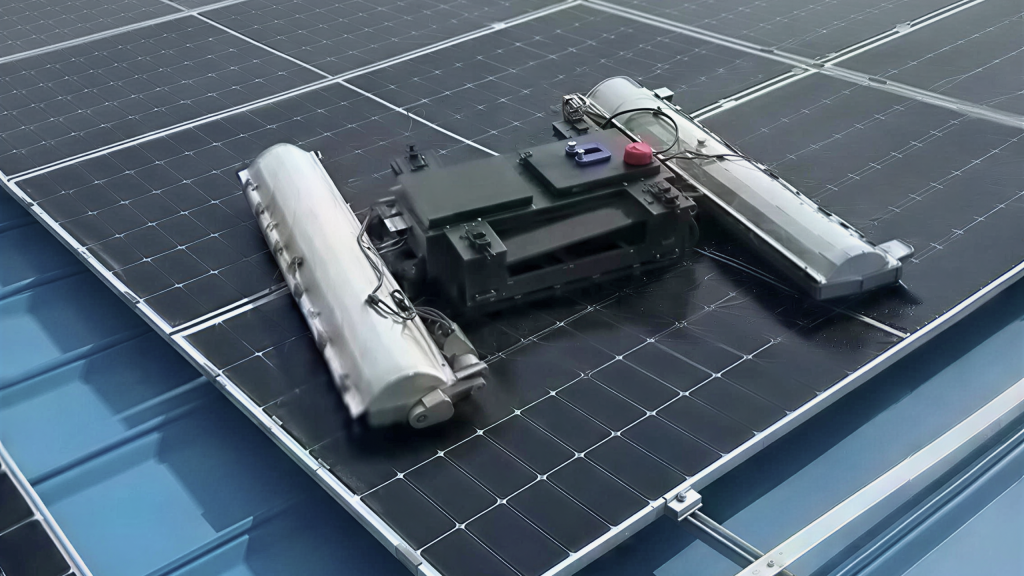
SolarSweeper Robot
Choose SolarSweeper when the site is accessible, low-slope, regularly arranged, and suitable for contact-based mechanical cleaning. It is a complementary option for deep cleaning or heavy bonded soiling, not the default choice for complex rooftops or hard-to-access PV assets.
Application-Specific Strategies
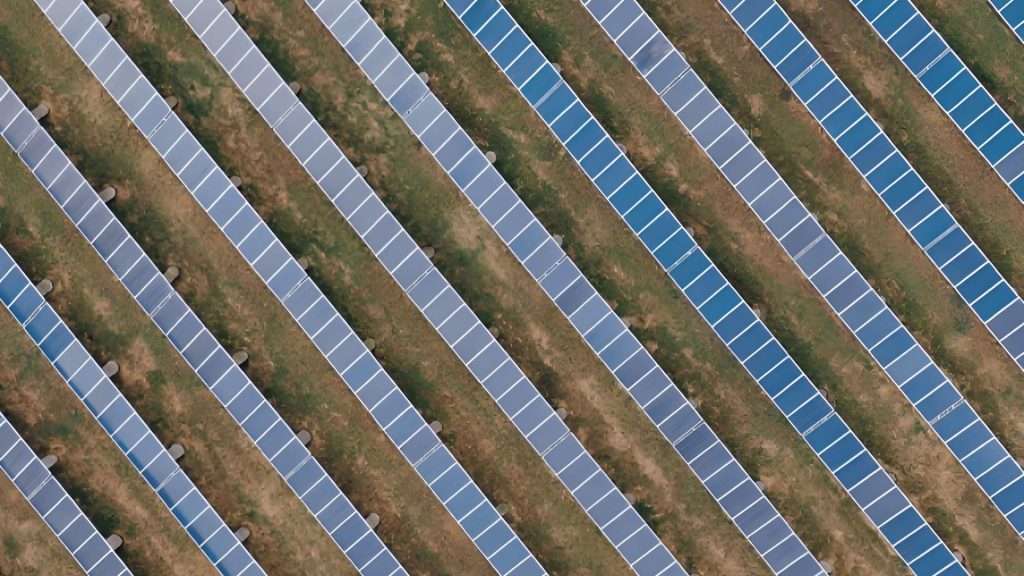
For Ground-Mount Utility Sites:
We recommend a strategy of frequent, rapid drone rinsing to manage daily dust accumulation, maintain optimal energy yield (+8-15% vs. seasonal cleaning)
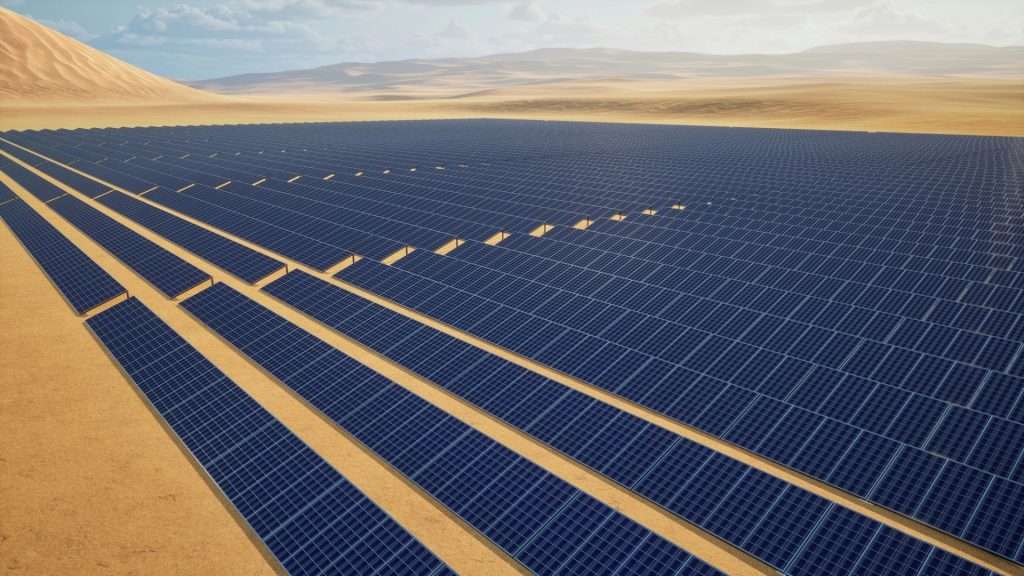
For High-Pollution or Dust Belt Zones:
Our drones excel at providing the high-frequency cleaning required to combat rapid soiling, ensuring your panels operate at peak efficiency day after day.

For Floating Solar Farms:
Drones are the definitive solution. The Solaris C60V can easily clean these otherwise inaccessible installations from a safe, land-based position, reduces the need for workers to access floating arrays directly.
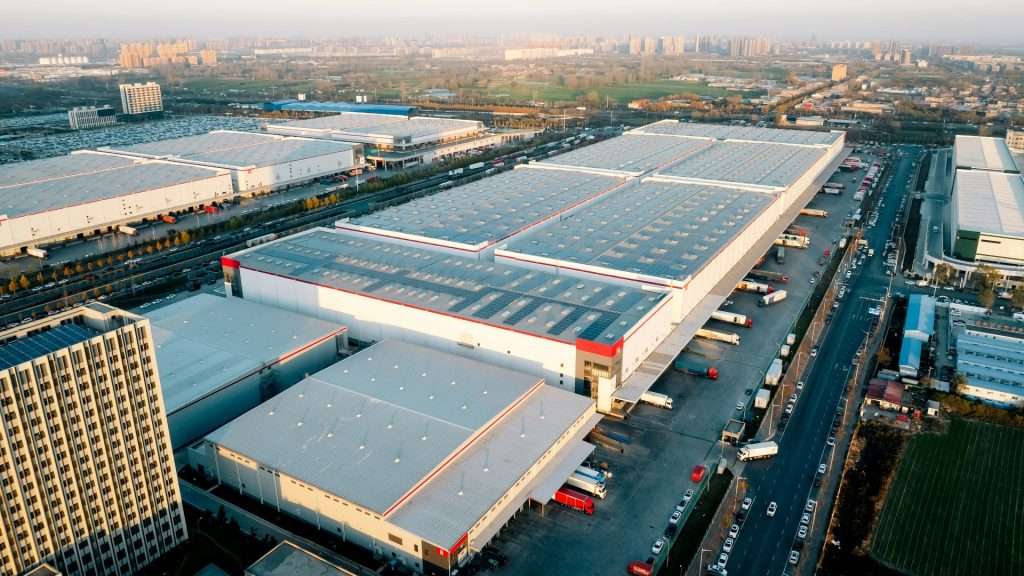
For Industrial & Commercial Rooftops:
Our lightweight drones clean arrays on complex or load-sensitive roofs without stressing the structure. For accessible rooftops with inclines up to 15°, the SolarSweeper robot can be deployed for a deeper, mechanical clean.
Our Partnership Workflow: From Data to ROI
Step 1: Site & Soiling Analysis
Step 2: Custom SOP Development
Step 3: System Deployment & Training
Step 4: Performance Review & Optimization
Comprehensive Training & Support
From hardware and software to training and support — from setup to mastery, we’re with you every step of the way.
Easy Onboarding
Start operating safely from day one with our clear video tutorials and multilingual documentation.
Minimize Downtime
Every drone includes key spare parts for immediate, on-site repairs to get you back in the air quickly.
Responsive Tech Support
Our dedicated engineers provide expert backup for all hardware, software, and operational questions.
Distributor Collaboration
We provide comprehensive training, marketing, and OEM/ODM support to ensure your success.
What Is Soiling Costing Your Bottom Line?
Protect solar generation with a repeatable cleaning workflow for industrial rooftops, utility-scale PV plants, distributed solar assets, and hard-to-access solar sites. Choose Solaris C60V, DJI T100 Solar Cleaning Kit, or SolarSweeper Robot based on site layout, water logistics, DJI platform availability, and soiling conditions.
- Global Shipping Available
- Tech Packs on Request
- Dedicated Dealer Support